
Ted Hughes and the Ethics of Responsibility
The Parallax ViewThis thread traces the book’s judgment of Ted Hughes’s explanations of the deaths of Sylvia Plath and Assia Wevill.
increasing Bearing strength in each event
 decreasing
Bearing strength in each eventdecreasingA Marriage Under Strain

A Relationship Marked by Crisis
The couple’s history
The discussion presents Ted Hughes and Sylvia Plath through the later interpretation of their troubled relationship. Their private history becomes a public literary and ethical dispute.
Explanation is contested
The book resists reducing the story to fate, feminine destructiveness, or a single psychological cause. Responsibility remains a question for action and retrospective judgment.
Plath’s Death
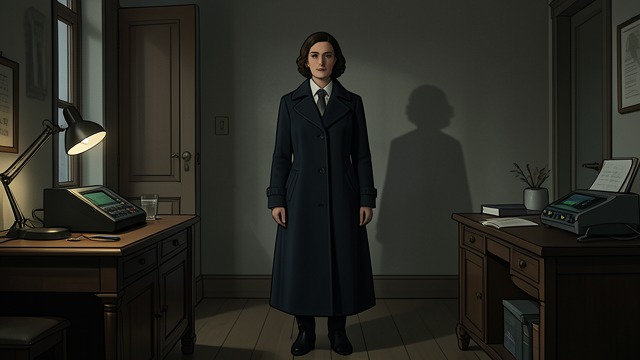
A Loss Retold
The event becomes a narrative
Plath’s suicide is later absorbed into accounts of character, destiny, and literary mythology. The book questions narratives that transform an event into inevitable fate.
Agency cannot be erased
A retrospective account may soften responsibility by invoking forces beyond human control. The ethical issue is how explanation can become evasion.
Assia Wevill Enters the Story
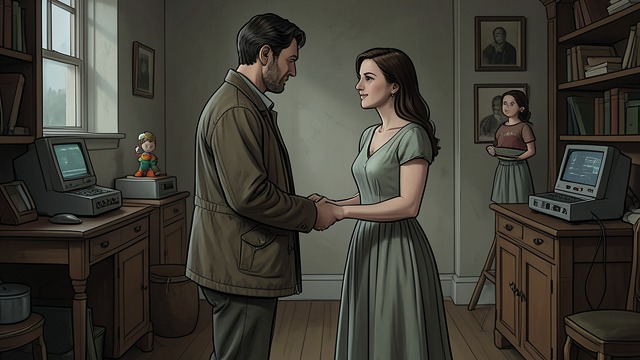
A Second Tragedy
Another intimate relation
Assia Wevill becomes Hughes’s lover, and her place in the story complicates any simple account of the earlier marriage. The book emphasizes the neglected ethical connection.
Repetition sharpens responsibility
A similar later catastrophe cannot be dismissed as a single misfortune. Its repetition calls for scrutiny of choices and narratives alike.
A Second Suicide
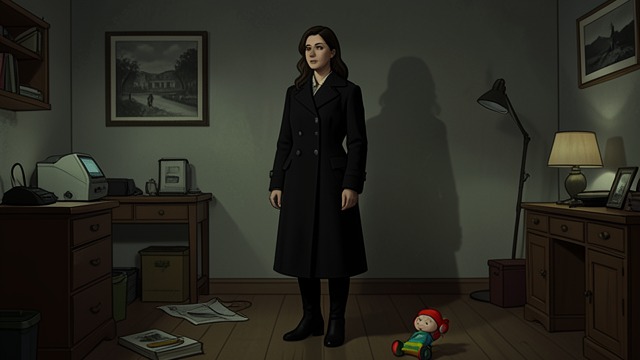
Repetition With a Child
A devastating recurrence
Assia Wevill dies by suicide, also killing her daughter by Hughes. The event intensifies the question of responsibility beyond the first tragedy.
Fate becomes an alibi
The book rejects the use of dark forces or feminine destiny to explain away the consequences. Repetition makes the ethical stakes harder to evade.
The Refusal of Fate

Responsibility Against Myth
A contested retrospective voice
Hughes’s later writing is criticized for casting the events as the work of fate and destructive feminine forces. Such mythologizing displaces responsibility onto an impersonal Other.
Freedom requires assumption
The book treats responsibility as a retroactive act of accepting how one’s choices shaped a life. Explanation cannot substitute for that assumption.
Before Sylvia Plath’s death
After the breakdown of the marriage
After Hughes’s relationship with Plath
1969
Chapter 4, discussion of Hughes’s memoir-poetry
